
Consumer Education: Understanding and Improving Your Credit Score


What is a Credit Score?
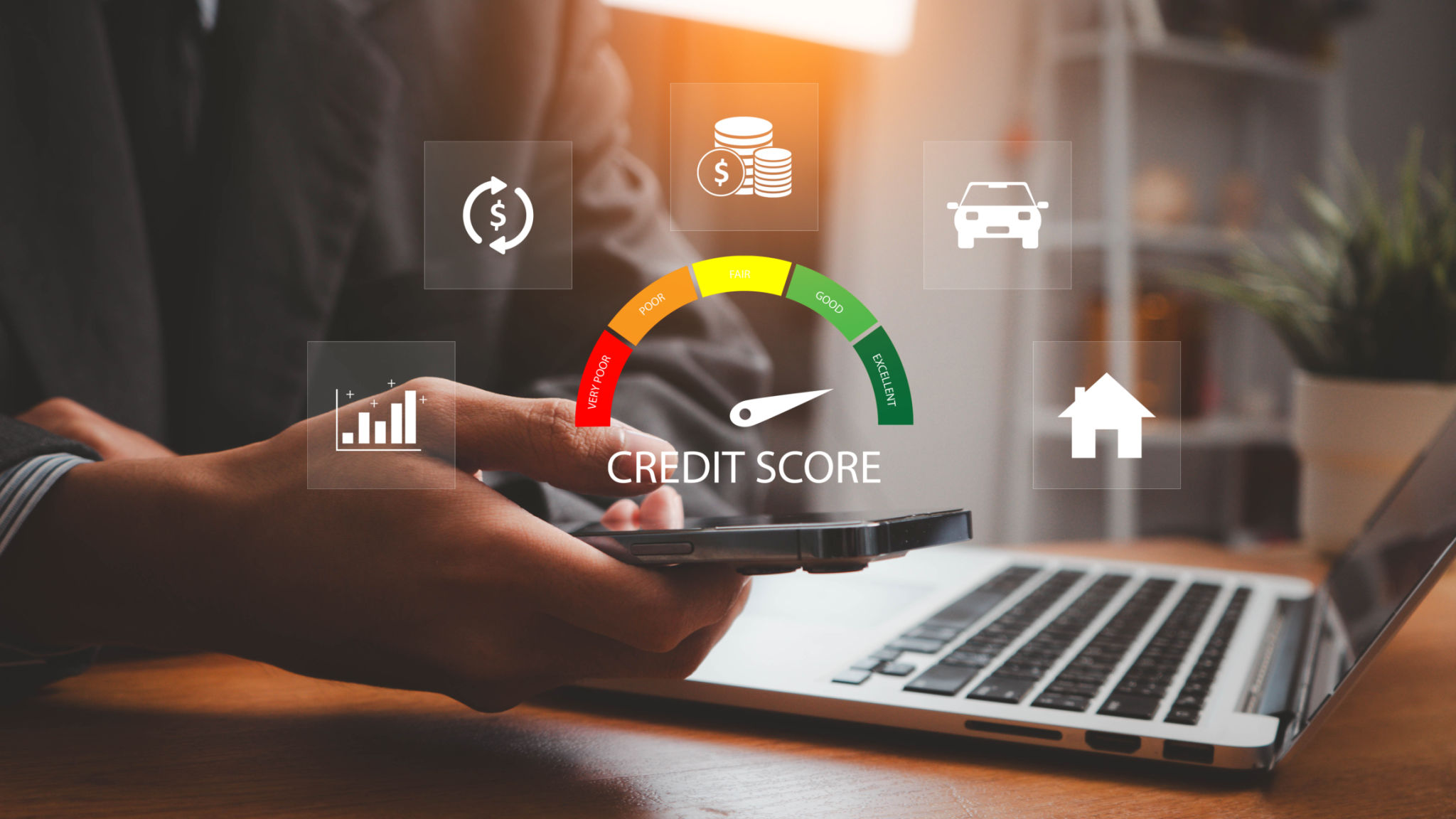
A credit score is a numerical representation of your creditworthiness. It helps lenders assess the risk of lending you money or extending credit. Scores typically range from 300 to 850, with higher numbers indicating better credit health. Understanding your credit score is crucial for managing your finances effectively.
Factors Affecting Your Credit Score
Several factors influence your credit score, each carrying a different weight. The most significant factors include:
- Payment History: Timely payments positively impact your score, while late payments can hurt it.
- Credit Utilization: The ratio of your credit card balances to your credit limits. Lower utilization is better.
- Length of Credit History: A longer credit history can boost your score, showing responsibility over time.
- New Credit: Opening several new credit accounts in a short period can lower your score.
- Credit Mix: A diverse mix of credit accounts, such as installment loans and credit cards, can be beneficial.
Checking Your Credit Score
It’s important to regularly check your credit score to ensure accuracy and to understand your financial standing. You can get a free credit report annually from each of the three major credit bureaus: Experian, Equifax, and TransUnion. Many financial institutions also offer free credit score checks for their customers.

Improving Your Credit Score
If your credit score is lower than you'd like, there are several strategies to improve it:
- Pay Your Bills on Time: Set up reminders or automatic payments to avoid missing due dates.
- Reduce Debt: Aim to pay off existing debts and keep your credit card balances low.
- Limit New Credit Applications: Each application can temporarily lower your score, so only apply when necessary.
- Review Your Credit Report: Dispute any inaccuracies that may be negatively affecting your score.
Building Credit from Scratch
For those just starting, building credit can seem daunting. Consider applying for a secured credit card, where you make a deposit that serves as your credit limit. Making regular, on-time payments can gradually improve your credit score. Additionally, becoming an authorized user on a responsible person's credit card can help establish your credit history.

Conclusion
Understanding and improving your credit score is a vital part of financial literacy. By maintaining a good credit score, you can secure better interest rates, increase your borrowing power, and ultimately achieve greater financial stability. Stay informed, proactive, and committed to building a strong credit profile.