
How to Repair Your Credit: A Step-by-Step Guide


Understanding Your Credit Report
Your credit report is a detailed record of your credit history, and understanding it is the first step in repairing your credit. It includes information about your credit accounts, payment history, and any outstanding debts. Regularly reviewing your credit report can help you identify errors or areas that need improvement.

Obtaining Your Credit Report
You are entitled to a free credit report from each of the three major credit bureaus—Equifax, Experian, and TransUnion—once a year. Request your report through the official website to ensure accuracy and security. Once you have your reports, review them thoroughly for any discrepancies.
Identifying Errors
Check for common errors such as incorrect personal information, accounts that do not belong to you, or incorrect account statuses. If you identify any mistakes, it’s crucial to dispute them immediately. Correcting errors can significantly improve your credit score.
Disputing Credit Report Errors
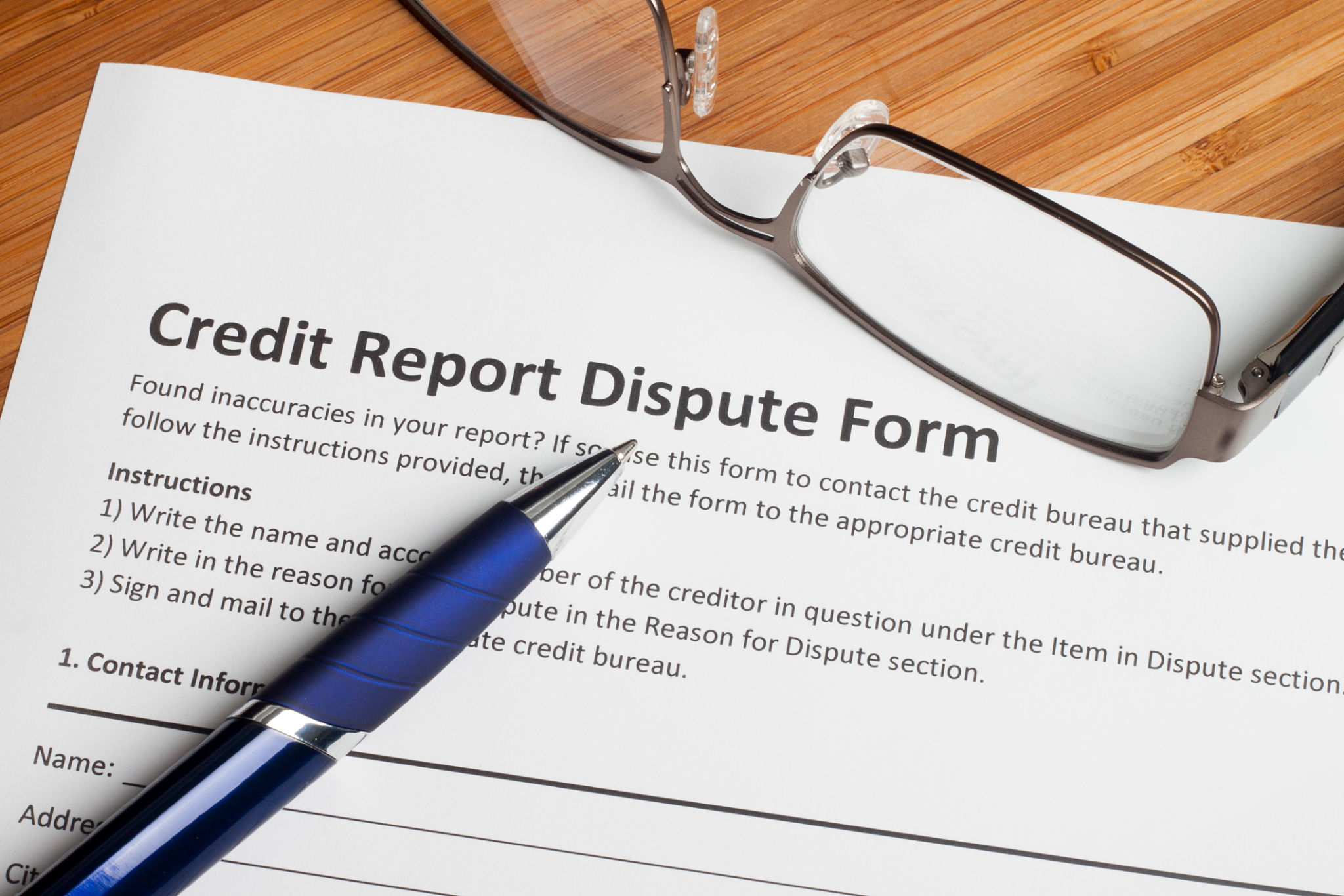
After identifying errors, the next step is disputing them with the credit bureau. Provide documentation to support your claims and request that the bureau investigate and resolve the issues. They are required by law to investigate disputes within 30 days.
Contacting Creditors
Sometimes, resolving a dispute requires contacting the creditor directly. Explain the issue and provide evidence to support your claim. Request that they update their records and inform the credit bureaus of the corrections.
Paying Down Debt
One effective strategy for repairing your credit is paying down existing debt. Focus on high-interest debts first, as they can quickly escalate. Creating a budget and sticking to it can help you allocate funds toward debt repayment more efficiently.

Using the Snowball Method
The snowball method involves paying off the smallest debts first to build momentum and motivation. Once a smaller debt is paid, you can apply its payment amount to the next smallest debt, creating a snowball effect.
Building Positive Credit Habits
Improving your credit isn’t just about fixing past mistakes; it’s about building healthy credit habits for the future. Make all future payments on time, reduce credit card usage, and avoid opening unnecessary credit accounts.

Monitoring Your Credit Score
Regularly monitoring your credit score will help you track your progress and identify areas for improvement. Many financial institutions offer free credit score monitoring services. Staying informed empowers you to make better financial decisions.
Repairing your credit is a journey that requires patience and persistence. By understanding your credit report, disputing errors, paying down debt, and adopting positive credit habits, you can improve your credit score over time and achieve financial stability.